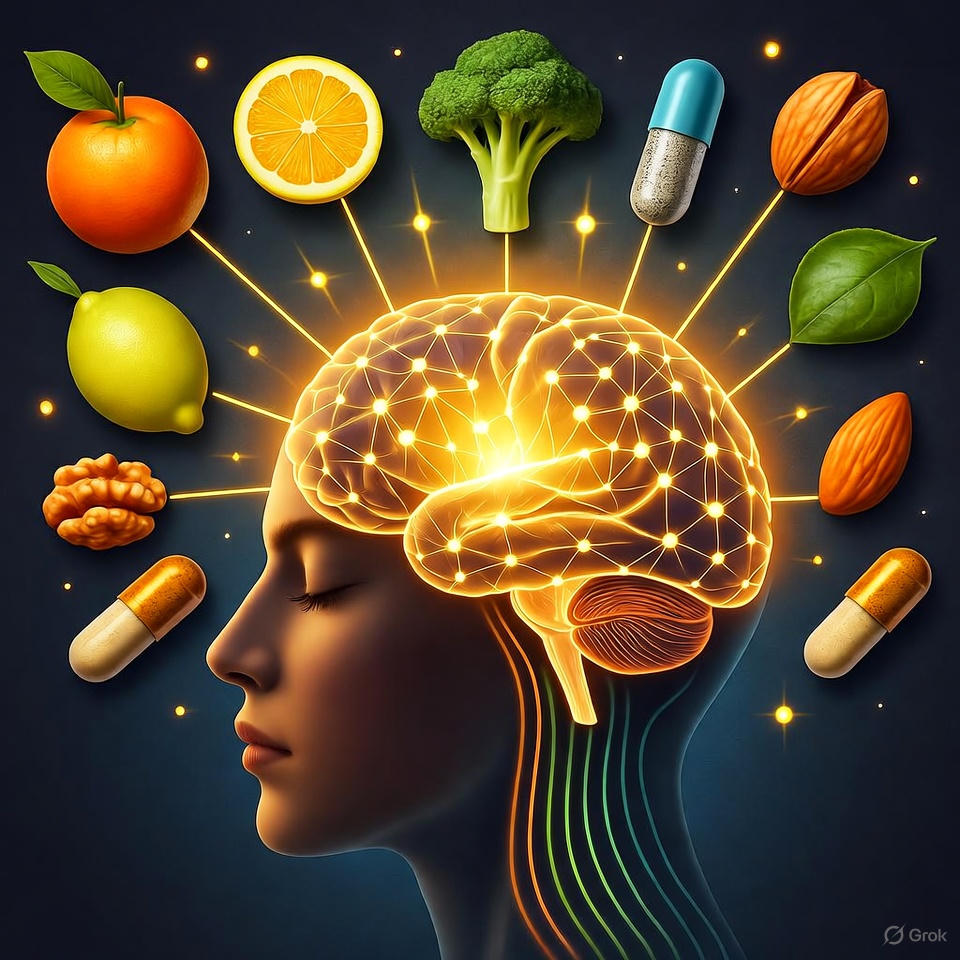
Many people who have quit alcohol continue to struggle with fatigue, nervousness, or mood swings for a long time. Often, it’s not a relapse but a clinically relevant nutrient deficiency that’s behind it. Targeted replenishment of vitamins and trace elements supports the brain, heart, and psyche on the path to regeneration.
Bernd Guzek, MD, PhD
Nutrient Deficiencies Influence Thinking, Feeling, and Behavior in Alcohol Dependence
Long-term drinking not only damages the liver and nerves but also gradually deprives the body of the substances it needs for thinking, feeling, and regeneration. Alcohol replaces meals, disrupts absorption in the intestines, and simultaneously increases the need for vitamins, minerals, and trace elements. The result is a physical deficit that affects the psyche—often long before organic damage becomes visible.
Many affected individuals then experience a mix of exhaustion, inner restlessness, mood swings, or lack of drive. What looks like “depression” or “post-withdrawal blues” is frequently the direct consequence of a derailed metabolism: the brain simply lacks the biochemical tools to function clearly. Thiamine, folate, vitamin B12, niacin, and vitamin C are involved in countless processes—from energy production to the formation of serotonin and dopamine.
This also explains why so many things only improve after stopping alcohol once the stores are replenished: bleeding gums disappear, sleep and mood stabilize, and concentration returns. The physical foundation is restored enough that talk therapy can take effect—therapy, coaching, or self-help suddenly become effective because the brain responds again.
Our approach follows this simple but often overlooked logic:
If you nourish the body, you reach the soul more effectively.
In the following, we introduce some of the most important nutrients and their influence on alcohol dependence.
Thiamine (Vitamin B1) – Energy for Brain and Heart
Thiamine is the best-known deficiency vitamin in alcohol dependence. The body can barely store it, alcohol inhibits absorption, it is consumed during detoxification, and many affected individuals take in too little through diet. Without B1, glucose metabolism in nerve cells no longer works properly—the brain is literally running on fumes.
The consequences start with fatigue and irritability, progress to sleep disturbances, and—if untreated—end in severe neurological deficits such as Wernicke’s encephalopathy or Korsakoff syndrome. The cause: Vitamin B1 deficiency in alcohol dependence disrupts carbohydrate metabolism in the brain. This leads to fluid retention, followed by hemorrhages and the formation of small blood vessels (capillaries) in certain brain areas—these regions are irreversibly destroyed.
The heart is also affected: thiamine deficiency can contribute to the development of alcoholic cardiomyopathy—a weakened heart muscle due to alcohol and malnutrition. Muscle cells lose strength, the heart becomes sluggish and pumps less effectively. Some individuals first notice this through rapid fatigue, shortness of breath, or dizziness. In severe cases, a general myopathy—muscle weakness affecting not only the heart but also arms and legs—can develop.
In withdrawal treatment, thiamine is a mandatory component, ideally given before the first glucose infusion. Even on an outpatient basis, it should be supplemented regularly in the first months after achieving abstinence. Those still drinking should definitely take B1 to prevent damage. Wernicke’s encephalopathy and Korsakoff syndrome are far from harmless but usually preventable.
Of course, the best thing is to stop alcohol completely. Not everyone can do that right away, though. If that applies to you, it can make sense to learn about nutrients. Some vitamins—especially vitamin B1 (thiamine)—are important even if you are still drinking. Severe deficiency can cause permanent damage: In Wernicke-Korsakoff syndrome, brain areas are destroyed and cannot recover. Talk to your doctor. Early thiamine supplementation can prevent permanent damage.
Folate and Vitamin B12 – The Quiet Mood Regulators
Folate (vitamin B9) and vitamin B12 are essential for cell division, blood formation, and the production of neurotransmitters like serotonin and dopamine. Deficiencies in both often occur together in alcohol dependence because they share similar metabolic pathways and are poorly absorbed due to intestinal inflammation or liver disease.
Symptoms are often nonspecific: lack of drive, irritability, depressed mood, forgetfulness, or noticeable mental sluggishness. Many supposedly “depressive” or “cognitive” complaints during or even before withdrawal improve significantly once the stores are replenished.
Monitoring homocysteine levels is especially important, as they rise with B12 or folate deficiency and burden both blood vessels and nerves. For supplementation, low doses are usually sufficient; the key is combining both vitamins.
Niacin (Vitamin B3) – The Forgotten Key to Clarity
Even Bill W., the founder of Alcoholics Anonymous, used vitamin B3 during alcohol withdrawal—here is a dedicated article on the topic. Niacin is the precursor to NAD/NADH, the coenzymes that drive energy metabolism in every cell. Alcohol consumes large amounts during detoxification, and chronic consumption can lead to niacin deficiency, causing cellular energy metabolism to run on minimal power.
Classically, pellagra presents with skin changes, diarrhea, and dementia. In modern medicine, milder forms are more common: irritability, concentration problems, sleep issues, anxiety, or depressive symptoms.
Niacin stabilizes cellular respiration and reduces oxidative stress in the brain. Even though full-blown pellagra is rare, many affected individuals benefit from supplementation—especially in the early regeneration phase after withdrawal.
Vitamin C – The Underestimated Repair Factor
Vitamin C levels are often drastically low in people with alcohol dependence. Poor diet, inflamed gastric mucosa, detoxification, and oxidative stress quickly deplete stores. Yet ascorbic acid is far more than an antioxidant for the brain and psyche: it is needed for the production of norepinephrine, protects nerve cells from oxidative stress, and influences the stress hormone axis.
Deficiency shows early through fatigue, low mood, bleeding gums, or poor wound healing. In more severe cases, gums become inflamed, skin grows sensitive, and minor bleeding occurs more easily—classic signs of incipient scurvy, the old sailors’ disease. Studies show that vitamin C supplementation improves not only physical but also emotional symptoms.
In practice, consistently correcting the deficiency—through diet or supplementation—is usually sufficient. Many report more energy and clearer feelings within just a few days.
Vitamin D – The Underestimated Sunshine Vitamin
Vitamin D was long known only for bone metabolism and the immune system but is increasingly coming into focus for addiction disorders. People with alcohol dependence frequently have low vitamin D levels. This is due to poor nutrition, liver dysfunction, and little sun exposure, as well as biochemical interactions: Vitamin D regulates genes in the brain important for dopamine and serotonin signaling—the very systems involved in addiction, mood, and motivation.
Whether deficiency itself promotes addiction is still scientifically unclear. Some researchers see it as a possible contributing cause; others view it more as a consequence of alcohol consumption. What is certain: A balanced vitamin D status improves overall well-being, reduces inflammation, and stabilizes mood—all factors that can support the path out of dependence.
Recognizing Deficiency, Replenishing Stores – Simple Steps with Major Impact
Most of these deficiencies are easy to detect: blood count, thiamine and folate status, vitamin B12, vitamin D, and a simple vitamin C level provide a good overview. In severe or long-term dependence, it’s worth monitoring these parameters regularly—especially in the first months of abstinence.
Supplements do not need to be high-dose; consistency and combination are more important. Thiamine is given in high doses during the acute phase, after which a maintenance dose usually suffices. Folate, B12, and vitamin C can be taken together, vitamin D according to blood levels. The key is that physical regeneration supports the psychological healing process—not the other way around.
Conclusion
Nutrient deficiencies in alcohol dependence are not a side issue but often the invisible driver of many complaints. They affect mood, drive, sleep, and perception—and thus exactly the areas where relapses originate. Recognizing and specifically correcting them strengthens body and psyche simultaneously.
FAQ – Frequently Asked Questions
Which blood values are particularly important in alcohol dependence?
Thiamine (vitamin B1), folate, vitamin B12, vitamin D, and vitamin C are among the most important parameters. In long-term use, homocysteine should also be checked, as it indicates functional deficiencies.
How quickly do symptoms improve after supplementation?
Often within a few days: Vitamin C boosts energy, thiamine brightens mood and concentration, folate and B12 stabilize psychological balance. Full recovery from chronic deficiencies can take weeks.
Can I just take these vitamins on my own?
For mild deficiencies, yes—ideally after consulting a doctor or therapist. Good basic supply and observing whether well-being and sleep improve are important. In severe cases, especially during withdrawal or with liver disease, supplementation should be medically supervised.
What is the most important rule for detoxification and nutrition?
First nourish the body, then reach the soul—that is the core. When nutrient stores are replenished, the brain works more clearly, and talk therapy can take effect.
References for This Article
-
Ham BJ, et al. Psychiatric Implications of Nutritional Deficiencies in Alcoholism (2005). Link
Comprehensive overview of micronutrient deficiencies in alcohol dependence and their psychiatric consequences. Describes thiamine, folate, B12, niacin, and vitamin C as central nodes. Emphasizes that malnutrition can amplify or mimic psychiatric symptoms. Serves as a historical basis and comparison for newer studies. -
Lim DJ, et al. Vitamin C and alcohol: a call to action (2019). Link
Review of the high prevalence of vitamin C deficiency in people with alcohol use disorder. Discusses mechanisms involving oxidative stress and neurotransmission. Advocates systematic screening and supplementation. Places stronger focus on vitamin C beyond classic B vitamins. -
Marik PE, et al. Vitamin C deficiency is common in alcohol use disorders (2019). Link
Prospective data showing high rates of vitamin C undersupply in AUD patients. Demonstrates links to cognitive impairment and delirium risk. Provides clinical arguments for early supplementation. Practically relevant for acute care and withdrawal phase. -
Wiley KD. Thiamine Deficiency (StatPearls, 2023). Link
Current overview of causes, clinical features, and treatment of thiamine deficiency. Explains pathophysiology of Wernicke’s encephalopathy and Korsakoff syndrome. Stresses the principle of thiamine first in acute medicine. Useful for clear treatment pathways. -
Koike H. Myopathy in thiamine deficiency: Analysis of a case (2006). Link
Case report of thiamine deficiency myopathy with neurological symptoms. Shows good response to thiamine therapy. Links heart and skeletal muscle aspects to energy metabolism. Provides illustrative clinical example. -
Stotts MJ, Peterson BD. Treating Nutritional Deficiencies of Alcohol Withdrawal (2021). Link
Practical recommendations for nutrient administration in alcohol withdrawal. Emphasizes thiamine before glucose as well as folate and minerals. Addresses lab timing and realistic workflows. Well-suited for checklists and protocols. -
Sandoval C, et al. Vitamin Supplements as a Nutritional Strategy against Alcohol-Induced Deficits (2022). Link
Examines multiple vitamins as a counter-strategy to alcohol-related deficits. Discusses antioxidant and anti-inflammatory effects. Provides biochemical plausibility for combined supplementation. Useful for the overall nutrition section. -
Banjac Baljak V, et al. Association between Vitamin D and Cognitive Deficiency in Alcohol Dependence (2022). Link
Case-control study showing lower vitamin D levels in cognitively impaired AUD patients. Demonstrates statistical association, not causality. Supports the brief section on vitamin D and cognition. Points to potential relevance in aftercare. -
Neupane SP. Vitamin D deficiency in alcohol-use disorders and its relation to liver disease (2013). Link
Shows high prevalence of vitamin D deficiency in AUD and its relation to liver status. Classifies vitamin D as a marker of severity. Supports screening even without direct psychiatric endpoints. Complements the systemic view of deficiency. -
Koike H. The Significance of Folate Deficiency in Alcoholic and Nutritional Neuropathies (2012). Link
Case-based evidence for the role of folate deficiency in neuropathies in alcohol-dependent patients. Describes clinical improvement with folate administration. Links hematological and neurological parameters. Practical for the folate/B12 section. -
Uździcki AW, et al. The role of vitamin and microelement supplementation in alcohol misuse (2022). Link
Overview of the frequency of vitamin and trace element deficiencies in inpatient settings. Reports high rates for folate and relevant proportions for B12. Discusses supplementation strategies in practice. Helpful for the screening and treatment section. -
McLean C, et al. Malnutrition, Nutritional Deficiency and Alcohol (2024). Link
Current overview from general practice focusing on early detection. Emphasizes that deficiencies occur before manifest liver disease. Provides clear recommendations for primary care physicians and initial contact. Good basis for patient-oriented communication. -
Ahmed A, et al. Beyond the Bottle: Niacin Deficiency and Chronic Alcoholism (2023). Link
Shows how alcohol promotes functional niacin deficiency over time. Discusses neurological, dermatological, and psychiatric symptoms of pellagra. Highlights the diagnostic importance of niacin in the context of alcoholism. Provides clinical plausibility for inclusion in deficiency diagnostics. -
Yogi TN, et al. Alcoholic Pellagrous Encephalopathy: A Case Report (2024). Link
Describes a rare but severe niacin deficiency encephalopathy in alcohol dependence. Symptoms include hallucinations, cognitive impairment, and skin changes. Shows that pellagra-like conditions still occur today. Underscores the need for early vitamin testing. -
Domínguez F, et al. Alcoholic cardiomyopathy: an update (2024). Link
Comprehensive review of alcoholic cardiomyopathy. Discusses the contribution of thiamine deficiency alongside direct alcohol toxicity. Emphasizes preventive importance of nutrition and supplementation. Strong foundation for the heart section in the article. -
Ritorto G, et al. The Pivotal Role of Thiamine Supplementation in Cardiovascular and Metabolic Protection (2025). Link
Current review on thiamine in cardiovascular and metabolic processes. Shows how B1 acts antioxidatively, vascular-protectively, and metabolically regulating. Provides biochemical arguments for preventive administration in risk groups. Ideal complement to the cardiomyopathy topic. -
Dong Z, et al. L-shaped association of thiamine intake and risk for peripheral artery disease (2024). Link
Observational study on the relationship between thiamine intake and vascular health. Shows increased risk with very low B1 intake. Confirms the systemic importance of thiamine deficiency. Supports the link between nutrition, vessels, and alcohol damage.
Current Posts in Our Blog
- Chronic Fatigue and Alcohol
- Brain Damage from Vitamin Deficiency in Alcoholics: An Often Overlooked Danger
- The Hidden Cancer Risk in Alcohol: Biological Causes and Key Organs Involved
- Histamine and Alcohol: Why a Single Glass of Wine Triggers Heart Palpitations and Anxiety
- Heart Arrhythmias from Alcohol: How One Drink Too Many Can Make Your Heart Stumble
- Why Heavy Drinking Ultimately Kills Your Sex Drive and Performance
- Alcohol: The number one killer of the pancreas
- Sober at Last – Yet Unhappy
- Alcohol and Sleep: Why You Jolt Awake at 3 AM
- Does Trump Have an Alcoholic Personality?

Bernd Guzek, MD. PhD
Physician, Author, Relative & Co-Founder of Alcohol adé
Has been dealing for many years with the biochemical foundations of addiction and brain metabolism disorders as well as their influence through nutrients.