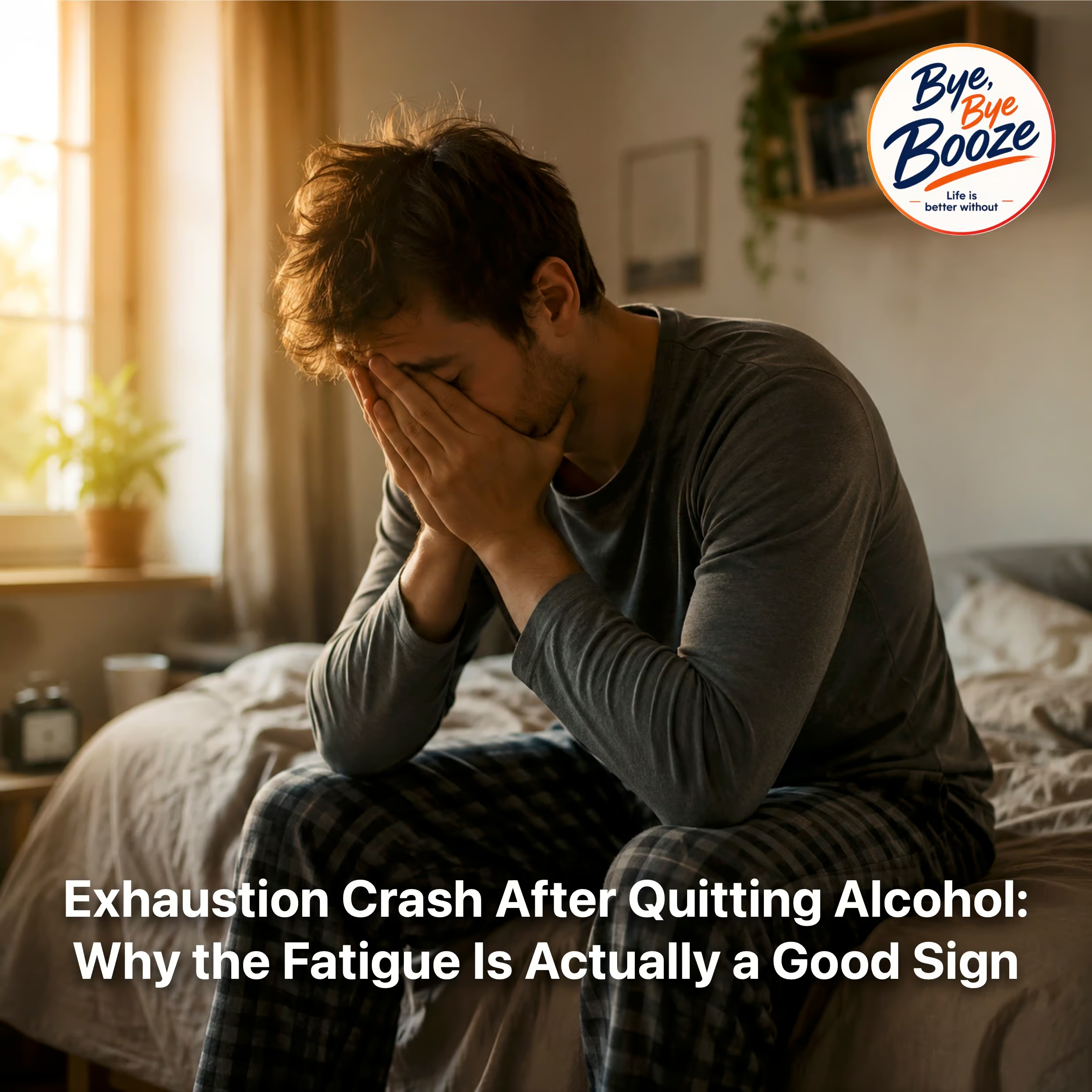
You quit drinking and expect more energy, better sleep, a clearer head. Instead you get crushing fatigue. Zero motivation. The feeling of wading through thick fog. This exhaustion crash hits almost everyone coming off a longer stretch of drinking – and it’s not a sign of weakness. It’s the opposite: your body has started cleaning up the mess.
The bill for borrowed energy
Alcohol hijacks the brain on multiple fronts at once. It amplifies the effect of GABA, the chemical messenger that slows the nervous system down. It floods the dopamine system with reward signals. And it suppresses glutamate, the brain’s main excitatory messenger. The brain responds with neuroadaptation – a counter-regulation: it dials down its own brakes and cranks up the excitation engine, just to keep functioning despite the alcohol.
Once the alcohol disappears, the brain is left with weakened brakes and a revved-up engine. Undersupplied and overstimulated at the same time. Dopamine production is still throttled, the GABA receptors are sluggish. The result feels like a dead battery with the alarm still blaring.
Dozens of construction sites at once
While the brain recalibrates its neurotransmitters, the rest of the body is working overtime too. The liver starts breaking down stored fat. The gut has to rebuild its damaged bacterial flora. Magnesium, potassium, and B vitamins – depleted by months of drinking – are missing right when your metabolism needs them most. Every one of these repair jobs costs energy, energy that’s no longer available for everyday life.
Why sleep doesn’t fix it
Sleep should be the fastest way out of exhaustion. But alcohol has been suppressing REM sleep for months or years – the phase the brain needs for recovery and emotional processing. Once the alcohol is gone, the body catches up on all that missed REM, often aggressively. Vivid dreams, waking up repeatedly, feeling just as wiped out in the morning as the night before. Doctors call this PAWS (Post-Acute Withdrawal Syndrome) – it can last weeks to months and is the most common reason people give up on sobriety early on.
And that’s exactly where the most important message lies: this exhaustion is not a setback. It’s the signal that your body is repairing what alcohol damaged. Push through it, and you come out the other side with a brain that works on its own again – no chemical crutch required.
What’s really behind feeling sober but miserable – and what you can do about it: Sober but unhappy? What’s really behind Dry Drunk Syndrome
Recent Blog Posts
- Exhausted After Quitting Alcohol – Why the Fatigue Is Actually a Good Sign
- PAWS After Alcohol Withdrawal: When Relapse Comes Knocking
- Niacin: A Key Vitamin for People Recovering from Alcohol Dependence
- The Addiction Memory: Why the Brain Never Forgets Alcohol – and How We Can Still Break Free
- Between Spotlight and Crash: Why Alcohol Is So Prevalent in the Music Scene
- Tingling and Numbness in the Feet – Recognizing Alcohol-Related Polyneuropathy
- Magnesium in Alcohol Withdrawal – Why a Deficiency Can Worsen Symptoms
- Chronic Fatigue and Alcohol
- Brain Damage from Vitamin Deficiency in Alcoholics: An Often Overlooked Danger
- The Hidden Cancer Risk in Alcohol: Biological Causes and Key Organs Involved

Bernd Guzek, MD, PhD
Physician, Author, Family Member of an Addict & Co-Founder of Bye Bye Booze
Has spent many years studying the biochemical foundations of addiction and brain metabolism disorders as well as their modulation through nutrients.