By Bernd Guzek, MD, PhD
The Shakespeare Effect
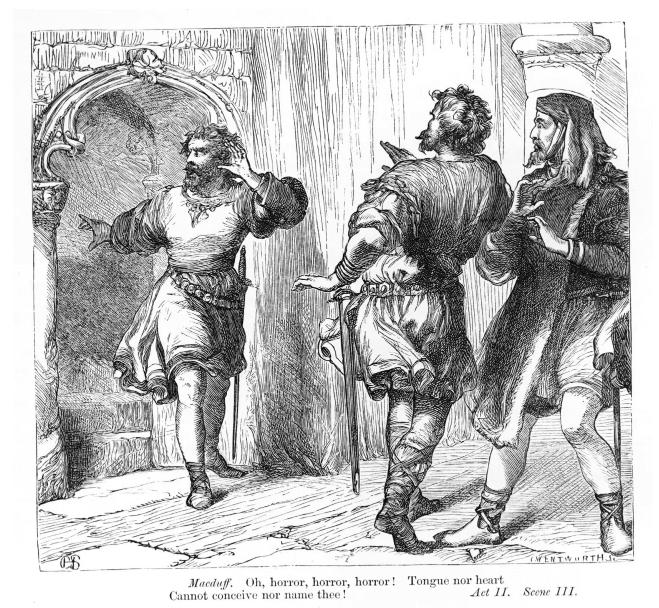
“Wine provokes the desire, but it takes away the performance.”
“Alcohol awakens desire, but it takes away the ability.”
William Shakespeare, Macbeth, Act 2, Scene 3
This line comes from the famous “Porter Scene.” Even Shakespeare recognized what modern medicine can now explain precisely: Alcohol stimulates desire but impairs performance—both physically and mentally.
Shakespeare was highlighting the paradoxical effect: Alcohol seduces through disinhibition, yet at the same time prevents the physical follow-through. Modern medicine confirms what Shakespeare intuitively described: alcohol impairs sexual performance by disrupting neurotransmitters, hormones, and blood flow.
How Alcohol Disrupts the Regulation of Sexuality
Sexual desire and function depend on a finely tuned interplay of neurotransmitters, hormones, and vascular responses. Alcohol interferes with all these systems, leading to far-reaching effects on libido and arousal.
Effects on the Central Nervous System
Alcohol alters the balance of key neurotransmitters in the brain. It enhances the inhibitory effects of GABA while blocking the excitatory NMDA receptors for glutamate. This creates a calming effect and lowers inhibitions, but it also dampens neuronal excitability. Reflexes slow down, physical responsiveness declines—including sexual responsiveness.
Initially, alcohol stimulates the dopamine system in the brain’s reward center, making people feel relaxed, sociable, and emotionally open. However, with regular drinking, the number of dopamine (D2) receptors decreases, and the system becomes desensitized. The result is reduced drive, motivation, and sexual energy.
Alcohol dysregulates the serotonin system, contributing to anhedonia and loss of libido. It briefly raises serotonin levels via 5-HT₃ receptors, producing calm or euphoria at first. With repeated use, however, the system falls out of balance, mood becomes unstable, and anhedonia develops—the inability to feel pleasure or joy. This eliminates exactly what alcohol initially seemed to offer: closeness, excitement, and vitality.
The Hormonal Control Center: Hypothalamus, Pituitary, and Gonads
Sex hormones are regulated by a sensitive axis connecting the brain and reproductive organs—the hypothalamic-pituitary-gonadal (HPG) axis. In the hypothalamus, GnRH is released, stimulating the pituitary to produce LH and FSH. These hormones drive the production of testosterone and estradiol in the testes and ovaries.
Alcohol disrupts this feedback loop. It suppresses GnRH release, lowers LH and FSH levels, and consequently reduces hormone production in the gonads. Testosterone and estradiol levels drop, noticeably affecting desire, energy, and mood.
At the same time, levels of prolactin—a hormone that suppresses libido—rise. Elevated endorphins add to the effect by further inhibiting GnRH release. The result is a double hormonal brake: reduced drive, diminished desire, and, over time, decreased fertility.
The Physical Side: Blood Flow, Vessels, and Metabolism
Alcohol also impairs the physiological mechanisms needed for sexual arousal. Erection in men and vaginal lubrication in women depend on precise vascular responses mediated by the gas nitric oxide (NO). NO is produced by eNOS in endothelial cells and relaxes smooth muscle, allowing blood to flow in.
Alcohol inhibits NO production, damages endothelial cells, and generates toxic acetaldehyde during metabolism, which constricts blood vessels. Blood flow to the genital area decreases, weakening or preventing physical arousal.
With prolonged drinking, hormone transport is also affected: The liver produces more sex hormone-binding globulin (SHBG), which binds testosterone and estradiol, rendering them biologically inactive. Even normal lab values can mask a functional deficiency, leading to erectile dysfunction, low energy, and loss of libido.
Hormonal Chaos After the Initial Euphoria
After the brief phase of disinhibition, the system collapses. Dopamine receptors become sluggish, and reward signals fade. At the same time, levels of the stress hormone cortisol rise, further suppressing testosterone and estradiol. Serotonin levels drop, throwing the brain out of balance.
This combination creates chronic fatigue and emotional emptiness. Joy, sensuality, and intimacy disappear. Clinically, this is known as anhedonia—the inability to experience pleasure. Alcohol, which initially promised openness and confidence, ends up amplifying distance, irritability, and loneliness.
Recovery After Abstinence
The good news: The body has a remarkable ability to recover. Within just a few weeks, the dopamine system stabilizes, cortisol levels drop, and mood improves. After about three months, LH, FSH, and testosterone rise significantly, and prolactin normalizes. Libido returns, along with increased energy and vitality.
- 2–4 weeks: Dopamine levels stabilize; cortisol decreases.
- 3 months: LH, FSH, and testosterone increase measurably.
- 6 months: Endothelial function (NO production) recovers; erection and libido often fully normalize.
- Women: report clearer perception, more stable mood, and returning desire.
By six months, blood vessels function better, nitric oxide production rises, and sexual responsiveness usually returns completely. Many people describe a new, calmer form of desire—less impulsive, more conscious and emotionally connected.
Long-term heavy drinkers may need more time, especially if there is liver damage or hormonal exhaustion. Yet almost always, with each sober month, joy of living grows—along with the ability to truly feel closeness and physical arousal again.
After stopping alcohol, libido may fluctuate at first—this is part of hormonal recovery. If sexual desire remains absent for months or depressive symptoms appear, consult a doctor for evaluation of testosterone, estradiol, prolactin, and cortisol levels.
FAQ – Frequently Asked Questions
Which neurotransmitters does alcohol affect in relation to sexuality?
Primarily GABA, glutamate, dopamine, and serotonin. Alcohol enhances GABA, blocks glutamate, briefly boosts dopamine and serotonin—but over time creates an imbalance that dampens desire and motivation.
How does alcohol impair hormone production?
Alcohol suppresses GnRH release in the hypothalamus, reducing LH and FSH production. This lowers testosterone and estradiol levels. At the same time, prolactin rises, further inhibiting libido.
What happens to blood flow in the genital area?
Alcohol reduces nitric oxide production and damages blood vessel walls. This impairs dilation of erectile tissue—a key factor in erectile dysfunction.
How long does recovery take after quitting?
Many systems stabilize within weeks. Full normalization of hormones and vascular responses can take up to six months, depending on the duration and extent of prior drinking.
More Posts on Our Blog
- PAWS After Alcohol Withdrawal: When Relapse Comes Knocking
- Niacin: A Key Vitamin for People Recovering from Alcohol Dependence
- The Addiction Memory: Why the Brain Never Forgets Alcohol – and How We Can Still Break Free
- Between Spotlight and Crash: Why Alcohol Is So Prevalent in the Music Scene
- Tingling and Numbness in the Feet – Recognizing Alcohol-Related Polyneuropathy
- Magnesium in Alcohol Withdrawal – Why a Deficiency Can Worsen Symptoms
- Chronic Fatigue and Alcohol
- Brain Damage from Vitamin Deficiency in Alcoholics: An Often Overlooked Danger
- The Hidden Cancer Risk in Alcohol: Biological Causes and Key Organs Involved
- Histamine and Alcohol: Why a Single Glass of Wine Triggers Heart Palpitations and Anxiety

Bernd Guzek, MD, PhD
Physician, author, family member & co-founder of Alcohol Adé
For many years, he has focused on the biochemical foundations of addiction, brain metabolism disorders, and their modulation through nutrients.