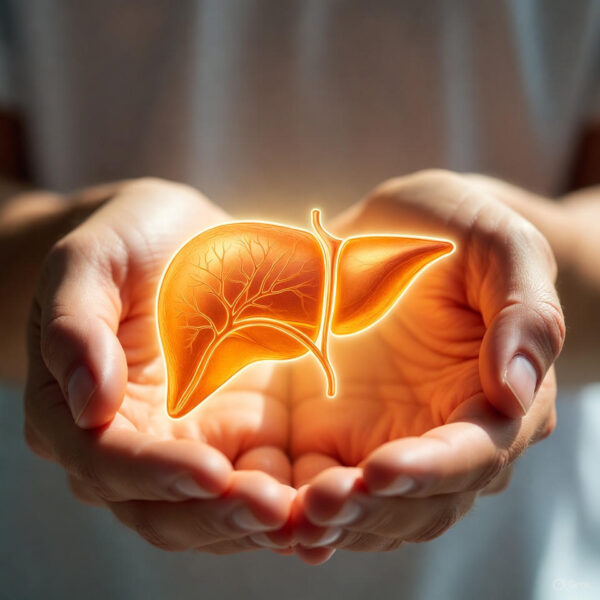
The liver suffers in silence for a long time. When warning signs like fatigue, itching, or upper abdominal pressure appear, it’s often five minutes to midnight. Here, you’ll learn how liver cirrhosis develops, what stages there are—and what you can do to prevent it from getting that far.
By Bernd Guzek, MD, PhD
The liver is a vital organ. It filters toxins from the blood, helps with fat digestion, and produces important proteins. If it’s damaged over the long term, the tissue can scar—leading to liver cirrhosis, also called shrunken liver. This serious condition is the final stage of years of liver damage. Healthy liver tissue is gradually replaced by useless scar tissue. As a result, the liver loses its normal shape and function more and more—it shrinks and can’t properly handle tasks like blood cleansing, protein production, or nutrient storage.
What Is Liver Cirrhosis—Explained Briefly
The liver is a tough organ that can regenerate itself for a long time, but ongoing stress leads to irreversible damage. Liver cirrhosis can have many causes, such as viruses (e.g., hepatitis B or C), autoimmune diseases, or non-alcoholic fatty liver from obesity. But in western countries, excessive alcohol consumption is the most common trigger—up to 60 percent of cases are due to it.
Alcohol isn’t just a nerve poison; over time, it destroys liver cells that detoxify the body from alcohol. If someone regularly drinks too much (e.g., more than 20–40 grams of pure alcohol per day for women or 30–60 grams for men), fat first accumulates in the liver. This leads to inflammation where liver cells die off. The body tries to repair it by forming connective tissue—but this scar tissue increasingly narrows the vessels and hinders blood flow.
When your body breaks down alcohol, the liver turns it into a substance called acetaldehyde before converting it to harmless acetate. Acetaldehyde is highly reactive and toxic—it can bind to proteins and DNA in liver cells, triggering inflammation, cell death, and scar tissue formation. This process plays a key role in progressing from fatty liver to more severe damage, and it may even increase the risk of liver cancer over time.
At the same time, alcohol metabolism generates harmful molecules called reactive oxygen species (ROS), which cause oxidative stress. These ROS damage cell membranes, mitochondria (the cell’s energy producers), and fats in the liver, leading to further inflammation and fat buildup. Chronic drinking ramps up an enzyme called CYP2E1, which produces even more ROS, creating a vicious cycle of injury.
While acetaldehyde is one of the main culprits behind alcohol-related liver harm, it’s not the only one—oxidative stress from ROS often works hand-in-hand with it, amplifying the damage. Genetics, diet, and how much you drink influence how severely these factors affect your liver.
The best protection is clear: stopping alcohol completely gives your liver the chance to heal, especially in early stages. If you’re concerned about liver health, talk to your doctor about tests and support options right away—no amount of alcohol is truly “safe” for an already stressed liver
Early Warning Signs
For alcoholics who keep drinking despite warning signs, the damage progresses until cirrhosis develops. Not every drinker gets cirrhosis. Factors like genetics, diet, or additional illnesses play a role, but alcohol is the main culprit.
The development of alcohol-related liver cirrhosis happens in several stages. It starts harmlessly but can end fatally without intervention. Early warning signs can include fatigue, pressure in the right upper abdomen (below the right rib cage), itching, or a tendency to bruise easily.
Stages: From Fatty Liver to Cirrhosis
This is the first stage. The liver stores too much fat, triggered by alcohol. The liver swells, but often there are no symptoms yet—maybe just fatigue or mild upper abdominal pain. This stage is usually reversible.
Here, the liver cells become inflamed (hepatitis), and connective tissue forms (fibrosis). The liver hardens slowly. Symptoms may appear like yellowing of the skin (jaundice), loss of appetite, or exhaustion. The damage is still partially reversible if the trigger is stopped.

The final stage, where the liver is heavily scarred and shrunken. There are two sub-phases:
The compensated cirrhosis (the liver still functions reasonably well, often without severe symptoms) and the
decompensated cirrhosis (severe symptoms like fluid buildup in the abdomen (ascites), bleeding from enlarged veins (varices), confusion (hepatic encephalopathy), or jaundice). Here, the damage is no longer reversible, but progression can be slowed.
What Helps Now—By Stage
The earlier you act, the better the chances. The key is always: Stop the trigger!
For Fatty Liver: Immediate alcohol abstinence! The liver can regenerate within weeks to months. Additionally, a healthy diet (low fat, lots of fruits and vegetables), exercise, and weight loss if overweight help. A doctor can check this with ultrasound or blood tests.
For Early Cirrhosis (Fibrosis): Avoid alcohol completely if not already done—it’s crucial to prevent further damage. Medications against inflammation or to support liver function can help. Regular doctor check-ups (e.g., FibroScan to measure hardening) are important. Sometimes treatment for accompanying diseases is needed. Here, the fibrosis can still regress.
When Cirrhosis Is Established: Alcohol abstinence remains the top priority to at least delay complications. Treatment now targets symptoms: Diuretics for fluid retention, medications against bleeding or infections. Dietary changes (high-calorie, protein-rich) and vaccinations against hepatitis are advisable. In advanced cases, a liver transplant may be considered. Addiction counseling or detox programs can help stop alcohol consumption long-term.
Do Doctors Transplant a New Liver in Extreme Cases?
Sort of. In extreme cases, a liver transplant is the last resort. This happens when the liver completely fails and no other treatment helps—usually in the decompensated stage. But a prerequisite is absolute abstinence for at least six months, otherwise the donor organ would be damaged again immediately. The surgery replaces the sick liver with a donor liver (from deceased or living donors). Afterward, lifelong medications are needed to prevent rejection. Complete alcohol abstinence is absolutely necessary. The success rate is good, but waiting times for donor organs can be long.
What Is the End Stage of Liver Cirrhosis Like?
The end stage of liver cirrhosis is the decompensated phase, where the liver can no longer maintain its functions. Symptoms worsen: The abdomen swells with fluid (ascites), legs and feet retain water, skin and eyes turn yellow (jaundice), anemia occurs, confusion or coma (encephalopathy) from toxins in the brain. Bleeding often happens, e.g., from burst veins in the stomach or esophagus, which is life-threatening. Infections (e.g., peritonitis) or kidney failure are common.
Death usually doesn’t come suddenly but through complications: Often from massive internal bleeding, infections, multi-organ failure (e.g., liver and kidney failure), or liver cancer that can develop on cirrhosis. Without treatment, those affected in the end stage often survive only months to a few years. With good care and abstinence, life can be extended.
That’s why it’s important to seek help early—cirrhosis is preventable if you quit alcohol in time!

Frequently Asked Questions (FAQ) about Liver Cirrhosis
Can the Liver Recover?
In early stages, yes—if the cause is consistently treated.
Late cirrhosis is usually not reversible, but often still stabilizable if caught in time.
What Do Affected People Often Die From?
From complications like massive bleeding, infections, liver/kidney failure, or liver cancer.
Early therapy improves the prognosis.
What Should I Do Immediately?
Stop drinking alcohol, get medical check-up soon, watch for warning signs—and accept support.
Recommended Literature on Liver Cirrhosis and Alcohol Metabolism
Here is a curated list of 10 key scientific reviews and studies on alcoholic liver cirrhosis, ethanol metabolism, acetaldehyde, and oxidative stress. Each includes a brief, layperson-friendly summary and a direct link for further reading. These resources provide evidence-based insights into how alcohol damages the liver and potential protective strategies.
- Oxidative stress in alcohol-related liver disease
This review explains how alcohol consumption generates oxidative stress in the liver, leading to cell death through apoptosis and necrosis, and discusses potential antioxidant therapies.
Read more - Alcohol-associated liver disease: A review
Explores how alcohol metabolism increases acetaldehyde levels, causing inflammation and oxidative stress, and reviews the progression from fatty liver to cirrhosis.
Read more - Oxidative stress in a cellular model of alcohol-related liver disease
This study uses cell models to show how ethanol exposure causes genetic damage like micronuclei, highlighting the role of oxidative stress in early liver injury.
Read more - Oxidative stress modulation in alcohol-related liver disease
Reviews the mechanisms of alcoholic liver disease and how traditional Chinese herbs might reduce oxidative stress and protect liver cells.
Read more - Alcohol-Induced Oxidative Stress and Gut–Liver–Brain Crosstalk
Details the three main pathways of alcohol breakdown in the liver, emphasizing how acetaldehyde and oxidative stress link gut health, liver damage, and brain effects.
Read more - Oxidative Stress and Alcoholic Liver Disease
Discusses how toxins from alcohol metabolism contribute to alcoholic liver disease, focusing on oxidative stress as a key driver of inflammation and fibrosis.
Read more - Alcoholic Liver Disease and the co-triggering Role of MEOS with Its CYP 2E1 Catalytic Cycle and ROS
Explains that while ethanol itself is inert, its metabolism via CYP2E1 produces reactive oxygen species (ROS) that trigger liver damage and cirrhosis.
Read more - Ethanol metabolism and oxidative stress are required for unfolded protein response in alcoholic liver disease
Shows that ethanol metabolism and ROS are essential for activating stress responses in liver cells, contributing to the pathology of alcoholic liver disease.
Read more - Oxidative stress and redox signaling mechanisms of alcoholic liver disease: updated experimental and clinical evidence
Reviews how alcohol causes oxidative stress and suggests antioxidants as a way to protect against liver injury, based on experimental and clinical data.
Read more - The role of oxidative stress in the development of alcoholic liver disease
Highlights oxidative stress’s crucial role in alcoholic liver damage, including the involvement of reactive oxygen species in cell injury and disease progression.
Read more
More Posts on Our Blog
- PAWS After Alcohol Withdrawal: When Relapse Comes Knocking
- Niacin: A Key Vitamin for People Recovering from Alcohol Dependence
- The Addiction Memory: Why the Brain Never Forgets Alcohol – and How We Can Still Break Free
- Between Spotlight and Crash: Why Alcohol Is So Prevalent in the Music Scene
- Tingling and Numbness in the Feet – Recognizing Alcohol-Related Polyneuropathy
- Magnesium in Alcohol Withdrawal – Why a Deficiency Can Worsen Symptoms
- Chronic Fatigue and Alcohol
- Brain Damage from Vitamin Deficiency in Alcoholics: An Often Overlooked Danger
- The Hidden Cancer Risk in Alcohol: Biological Causes and Key Organs Involved
- Histamine and Alcohol: Why a Single Glass of Wine Triggers Heart Palpitations and Anxiety

Bernd Guzek, MD, PhD
Physician, Author, Affected Relative & Co-Founder of Bye Bye Booze
Has been working for many years on the biochemical foundations of addiction and brain metabolism disorders as well as their modulation by nutrients.